


Wellbeing Wednesday: The Unplugged Gig – Why Self-Care Is Non-Negotiable for Freelance Performers
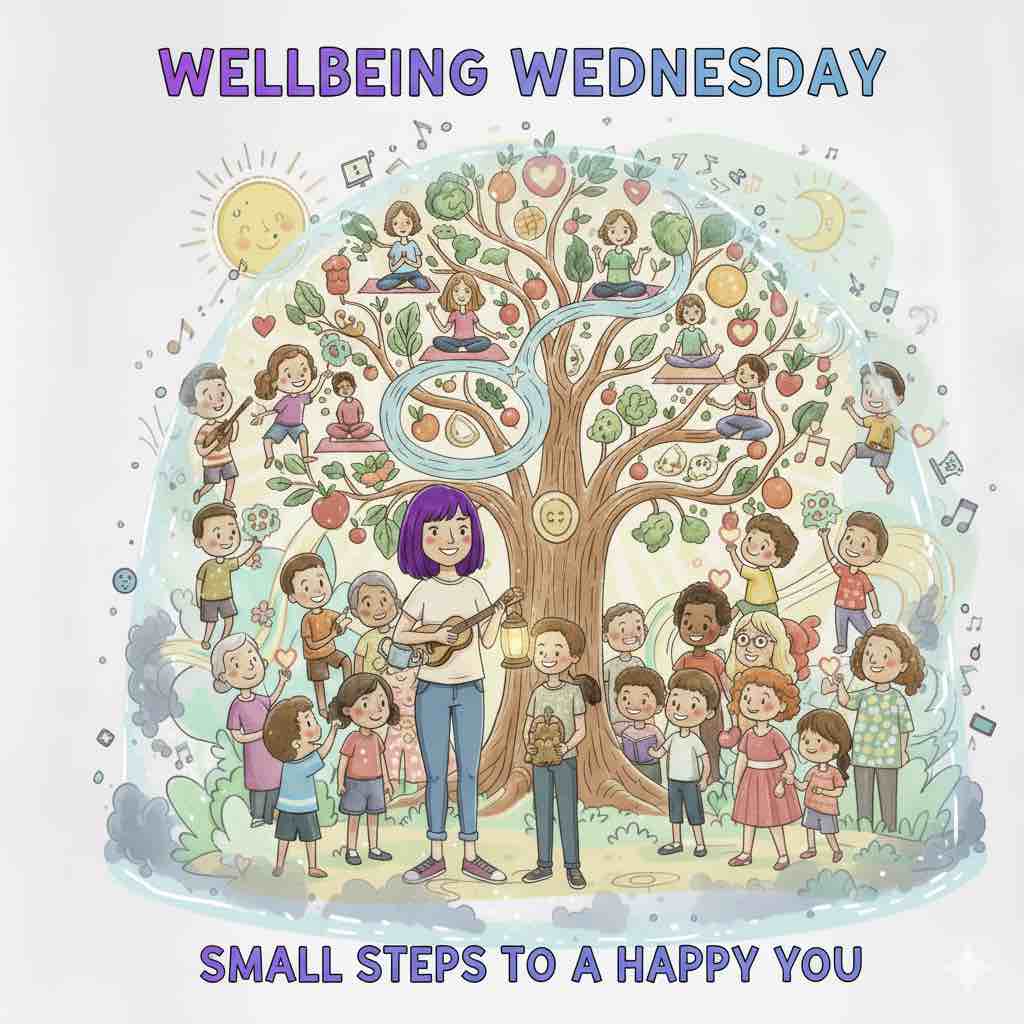
Welcome back to Wellbeing Wednesday! If you are a freelance musician, singer, or performer, you live a life filled with passion, creativity, and the relentless hustle. You are your own CEO, marketing department, and product….. but you are also the instrument.
This week, I’ve been thinking about a concept often seen as a luxury but is, in fact, an absolute professional requirement: self-care for the freelance body and mind. Something I very much struggle to achieve, but I am trying to keep foremost in my mind.
The Unique Hustle of the Freelance Performer
Unlike a salaried job, freelance life is cyclical: bursts of intense performance, long periods of administrative work, irregular sleep, and the constant stress of securing the next gig. For performers, this strain is amplified because your body is your capital:
- Vocalists: Need robust vocal health, managed stress, and proper rest to maintain stamina and range.
- Instrumentalists: Rely on physical endurance, finely tuned motor skills, and freedom from repetitive strain injuries.
- The Mind: Needs focus, emotional resilience to handle rejection, and creative energy to compose and adapt.
When a freelance musician neglects self-care, they aren’t just tired—they are jeopardizing their income and their career.
Why “Powering Through” Is a Failure to Plan
There is a common, toxic narrative in the creative world that “suffering for your art” is necessary. But pushing your body or voice past its limits is not dedication; it is a poor risk management strategy.
1. The Physical Cost: Protecting Your Instrument
For performers, self-care must be specific and physical. It’s about maintenance, not recovery:
- Vocal Health: Hydration, warm-ups, and cool-downs are not optional. A sore throat or laryngitis means cancelled gigs and lost wages. Self-care here is preventative medicine.
- Ergonomics and Repetitive Strain: Hours spent practicing, composing or writing at a desk, editing, marketing, or the physical load of carrying equipment can lead to muscle tension, back pain, or worse conditions. Regular, focused stretching, core work, and timely breaks are essential investments.
- Sleep is Practice: Your brain consolidates motor skills and musical memory during sleep. Pulling all-nighters might seem productive, but it actively undermines your ability to perform accurately.
2. The Mental Cost: Managing the Feast or Famine
Freelance life is a roller coaster, and self-care is the safety bar:
- Handling Rejection: Auditions, grant applications, and booking inquiries often result in rejection. Having clear mental health routines (like a designated “worry time” or meditation) is necessary to keep temporary setbacks from becoming demoralising crises.
- The Isolation Factor: Practicing and composing can be solitary. Scheduling non-work related social time or creative collaborations helps prevent burnout and keeps your mental reserves full.
- Establishing “Off-Time”: Because the office is often your home, it’s vital to create boundaries. Turn off email notifications after a certain hour, or designate a “non-musical” hobby that allows your creative mind to fully unplug. My strategies are leaving my technology (phone, watch and ipad) downstairs at night, limiting my blue light and distractions over night. I also love to read! Anything and everything…. a good book can take you far!
💡 Self-Care Action Plan for the Busy Freelancer
Integrating self-care doesn’t require a whole day off; it requires intentional micro-moments. Try some of these and let me know how you get on.
- The 15-Minute Rule: Before every rehearsal or practice session, dedicate 15 minutes to physical and mental preparation: vocal exercises, focused stretching for your hands/back, or a short breathing exercise.
- The Business of Rest: Schedule rest and recovery blocks into your calendar before you schedule gigs. Treat this time with the same respect you would a paying client.
- Gear Care = Body Care: Invest in lighter cases, walking pads or ergonomic chairs or stands. You can’t perform well if you’ve thrown your back out carrying the equipment.
The most crucial lesson for a freelance musician: You are not a machine. You are a finely tuned instrument. Protecting your instrument is your job. Prioritize the maintenance, and the music will follow.
What small act of self-care are you committing to this week to keep your instrument in tune? Let us know in the comments!


You May Also Like

Wellbeing Wednesday: The Acoustic Spring Clean

Wellbeing Wednesday: The Song of Agency. Finding Your Rhythm in Nature