-
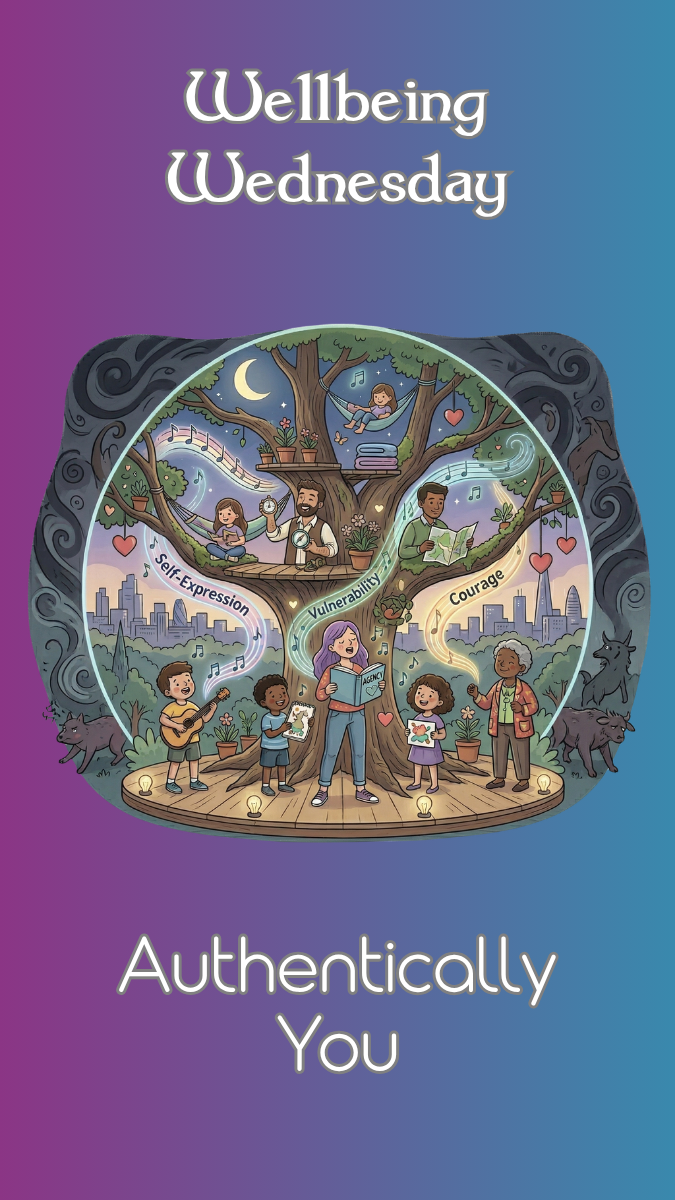
Wellbeing Wednesday: Authentically You
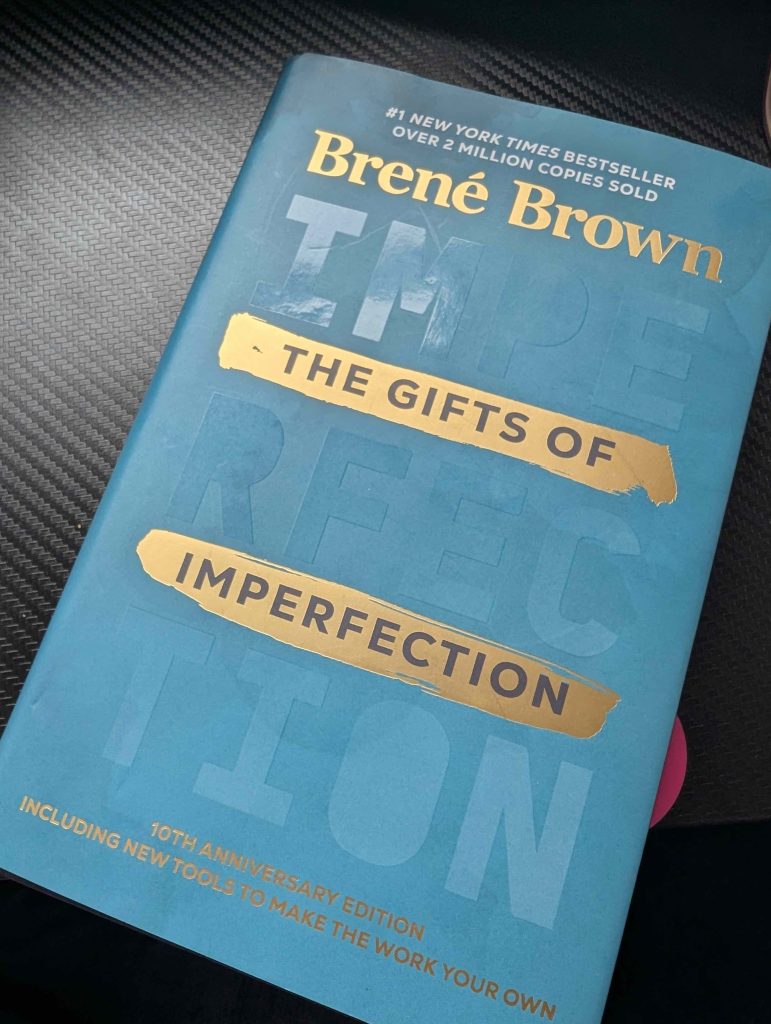
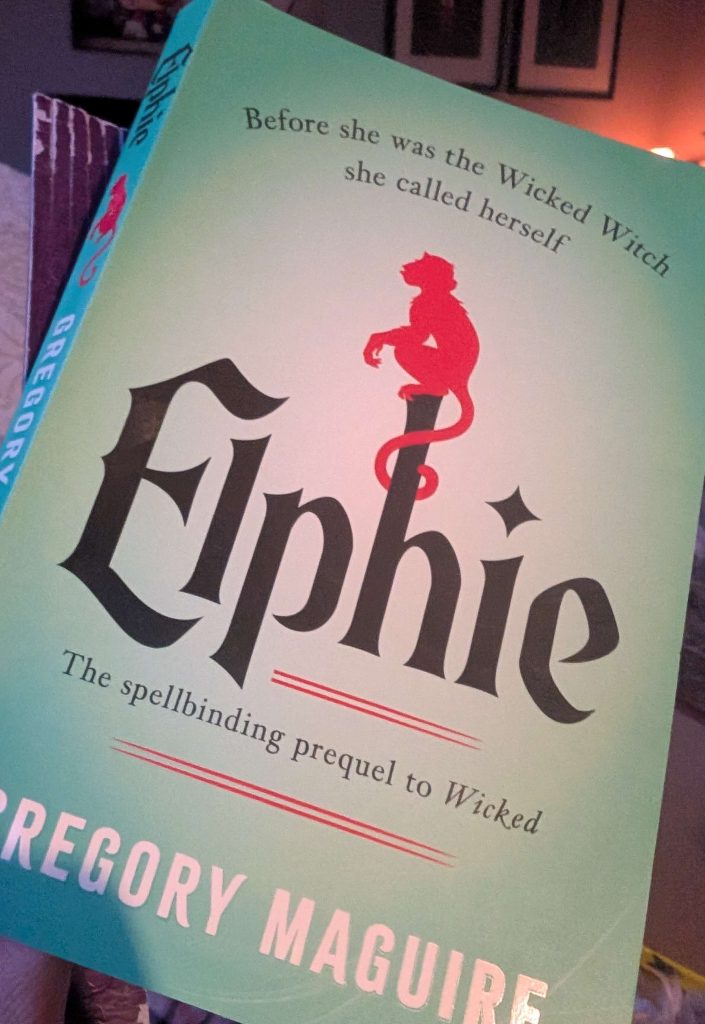
Welcome back to Wellbeing Wednesday. Today, I want to talk about a word that gets thrown around a lot in self-help circles but is incredibly difficult to live out in practice: Authenticity. All these thoughts were inspired by recently personal experiences and reading Brene Brown’s book, “The Gift of Imperfection”….. closely backed up by the first thing I then read in Gregory Maguire’s “Elphie”….. the universe is talking to me haha.
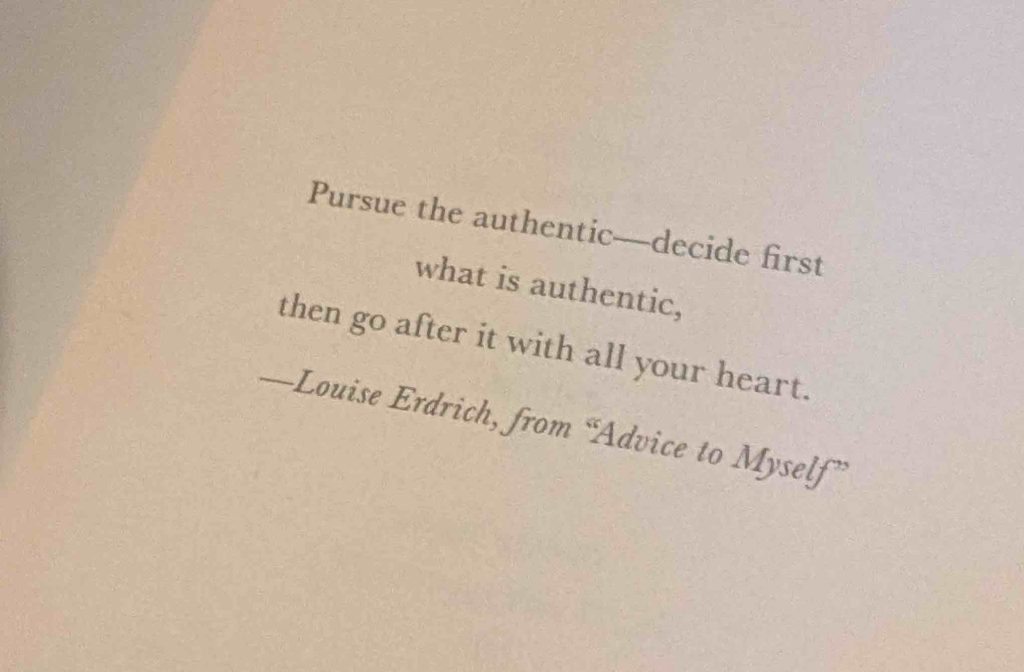
In a world dominated by the “Instagram vs. Reality” divide, we are repeatedly pushed toward inauthenticity. We are coached to seek perfection, to chase quick dopamine hits through likes and follows, and to present a curated “best self” that often bears little resemblance to our actual lives.
As a mum, a teacher, a performer, and a music therapist, I feel these pressures from every angle. How do we remain authentic when the world seems to demand a polished performance at every turn?
The Performance of Perfection
This is especially true in the world of the performing arts. It is an industry built on visibility, where everyone has a judgment and an opinion, often aired with total confidence by those who have never stepped into a performing space. When you know you are being watched and critiqued, the temptation is to “play it safe,” to mask your true self, and to give the audience exactly what you think they want to see, chasing a desire to be “liked”, approved….. the list goes on.
But here is the truth: Inauthenticity is exhausting. It’s a dissonant chord that vibrates through everything we do.
My “Why”: The Heart of the Work
For me, I’ve come to understand that my authenticity isn’t about being “perfect”; it’s about a deep level of care. I do these jobs, the teaching, the therapy work, the creativity, because I care deeply and passionately about their impact on the world around us, on the wellbeing they can provide our communities, our young people, ourselves.
My authenticity lies in supporting people to find their own voices and creativity in a safe space.
- A space safe from judgment.
- A space safe from the biting sting of “public opinion.”
- A space where experimentation is the goal, not the byproduct.
The Bravery of the “Authentic Failure”
In my work, I strive to hold a space where authentic choices and failures are encouraged. Why? Because without those messy “tries,” those “wrong” notes, and those moments of vulnerability, we can never truly succeed.
Authenticity requires the bravery to be “disappointing” to the critics so that you can be true to yourself. In music therapy, we call this Creative Agency. It’s the moment you stop playing the notes someone else wrote for you and start sounding your own truth.
The Bravery of the “Inner Solo”
Authenticity is often talked about as if it’s a destination we simply arrive at, but the truth is that it takes immense bravery to become authentic. It requires the courage to go against the flow of “what is expected” and the grit to speak your truth in a world that often prefers a script.
When you choose to be authentic (in all your elements) you are making a radical leap of faith. You are trusting that when you sound your true note, those hearing it will have the grace to hold it. It is terrifying to stand in your truth and wonder if the world will meet you there, but it is the only way to find a connection that is real. In music, a harmony only works if both notes are distinct and true; if one is faked, the resonance is lost. Being brave enough to be “you” is the only way to find your true ensemble.
How to Remain “Authentically You” This Week:
- Identify Your “Care” Center: When you feel the pressure to perform or please, ask yourself: “Why am I doing this?” If the answer is rooted in care and passion, you are on the right track.
- Embrace the Dissonance: You don’t have to be in harmony with everyone’s opinion. Authenticity often sounds like a “clash” to those who prefer a curated life. Let it clash.
- Create Your Own Safe Space: Whether it’s in your home as a mum or in your studio as a teacher, explicitly give yourself and others permission to fail.
- 4. The “Internal Hum” of Truth: Before you step into a meeting, a classroom, or onto a stage, take a second to hum a low, steady note. Feel your own vibration. Remind yourself: “This is my voice. It is enough.”
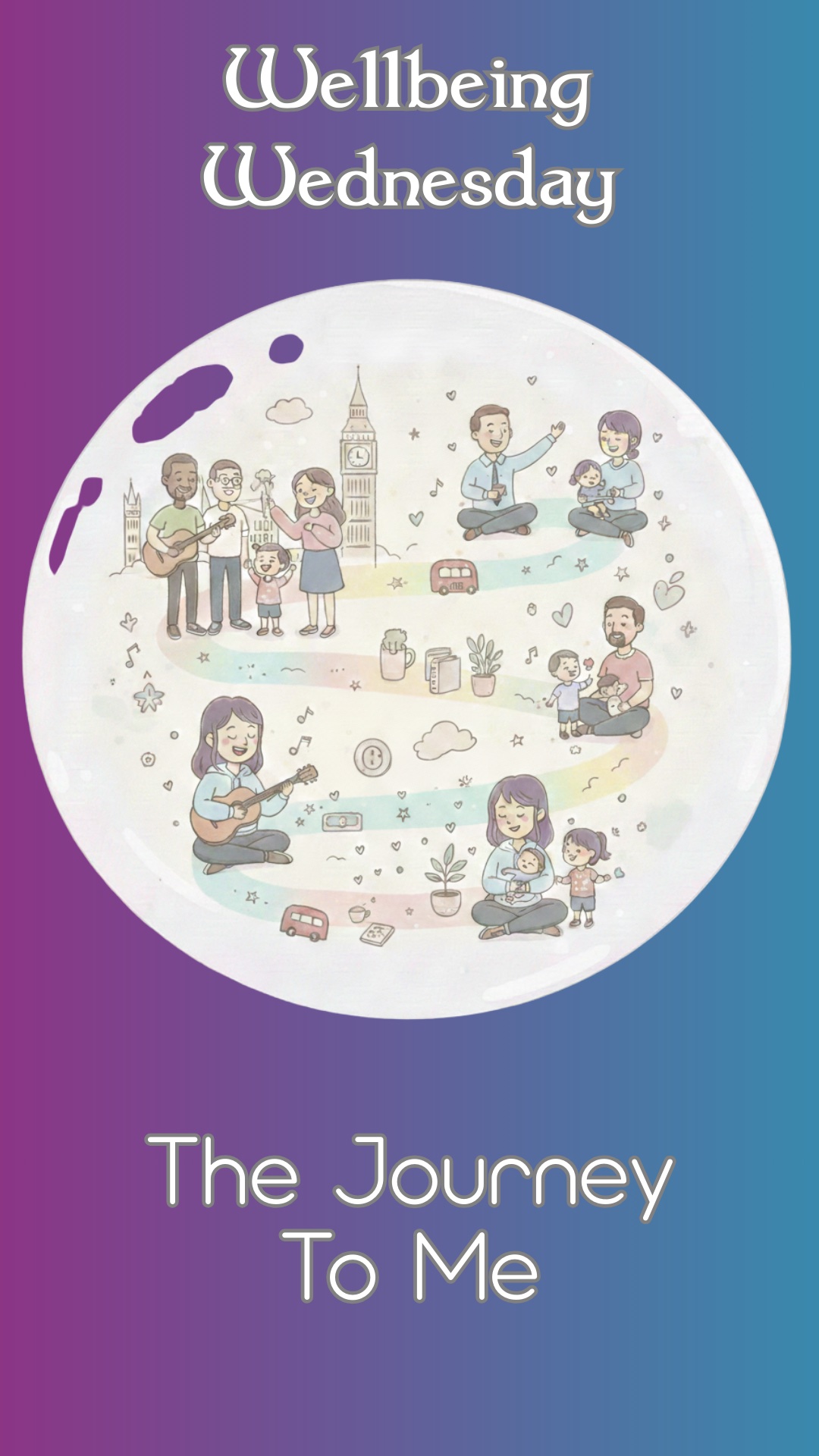
The Journey to Being Me
Our lives are a consolidation not an add on or a change. My authenticity is the sum of all my parts: the mum who is tired but present, the therapist who listens with empathy, the performer who risks judgment, and the teacher who cheers for every “mistake.”
It is all part of my journey to being me. And in a world of filters and reality TV, being authentically you is the most rebellious, beautiful thing you can be.
-
Wellbeing Wednesday: Finding the Bravery of “No”
Welcome back to Wellbeing Wednesday… and if I’m honest, it’s not a great one for me. With a virus that isn’t shifting, I am very run down and fighting the internal battle between the need to work and the desperate need to rest. (I know, we’ve been here before)
So today, I’m tackling one of the most difficult “compositions” to write: The Boundary.
For many of us, especially those in the caring professions, the arts, or the freelance world, our entire lives have been a masterclass in saying “Yes.” We were praised for being “helpful,” rewarded for being “flexible,” and taught that our value is directly tied to our availability to others. If you are like me, this is so ingrained that even when you understand it intellectually, you still struggle to break out of it. Some days I feel like I need to embrace my inner “Mary Marvel”, the superhero who can come out and say ‘No!’ with the kind of power that actually changes the atmosphere.
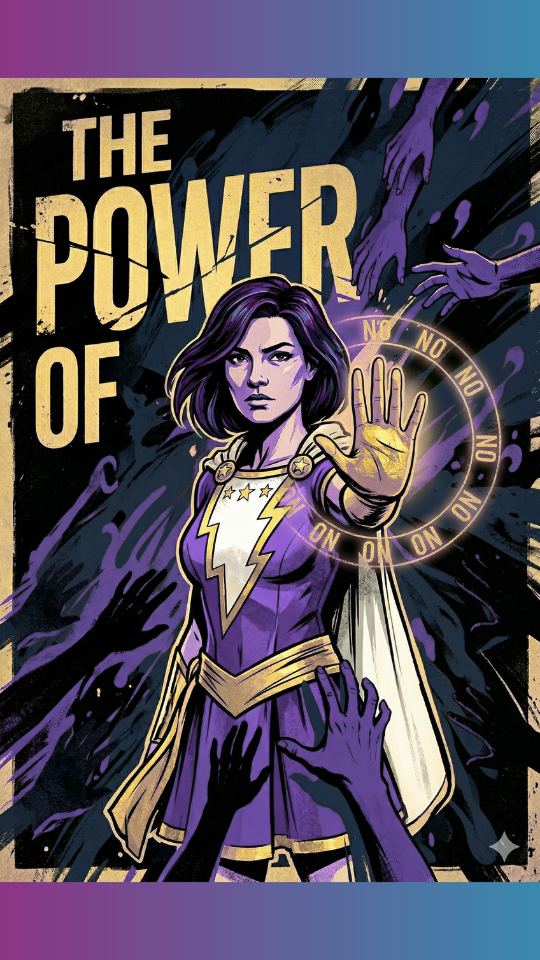
When you add the pressure of being freelance, the message becomes even louder: “Say yes to every gig, every favor, and every extra hour, or the work will disappear.” But living a life of “Yes” when your body and soul are screaming “No” isn’t being helpful; it’s self-abandonment. Today, I’m thinking about how to be brave, how to stop people-pleasing, and how to use music therapy to help find that elusive, life-saving “No.”
1. The Anatomy of a “People-Pleaser”
People-pleasing isn’t just “being nice.” It’s a survival strategy, often rooted in a fear of conflict or a deep-seated belief that our needs are secondary to everyone else’s.
- The Wellbeing Truth: Every time you say “Yes” to someone else when you want to say “No,” you are taking a loan out against your own mental health; and the interest rates are high. Burnout is simply the point where you can no longer pay that debt.
- The Music Therapy Link: The “Dissonant” Chord. When you say “Yes” but feel “No,” your internal harmony is disrupted. You are living in a state of cognitive dissonance, which creates physical tension in the jaw, neck, and chest.
2. The Freelance Trap: “Scarcity vs. Sovereignty”
As a freelancer or community artist, “No” feels like a risk. We fear that saying no to one project means we’re saying no to all future projects.
- The Reframe: Saying “No” to the wrong things is the only way to have the space and energy to say a resounding “Yes” to the right things.
- The Practice: The 24-Hour Buffer. Never say yes on the spot. Use a standard script: “Thank you so much for thinking of me. Let me check my capacity and get back to you by tomorrow.” This creates a “sonic pause”, a space where you can listen to your own needs away from the “noise” of the solicitor’s expectations.
3. Finding Your “Tonal No”
Sometimes, we find it hard to say “No” because we don’t know what it feels like in our bodies. We can use sound to practice the physical sensation of a boundary.
- The Practice: The Staccato Breath. In music, staccato means short, detached, and clear.
- The Exercise: Practice making a sharp “Ttt” or “Kkk” sound. Feel the way your core muscles engage to stop the air. This is the physical “stop” your body needs to feel.
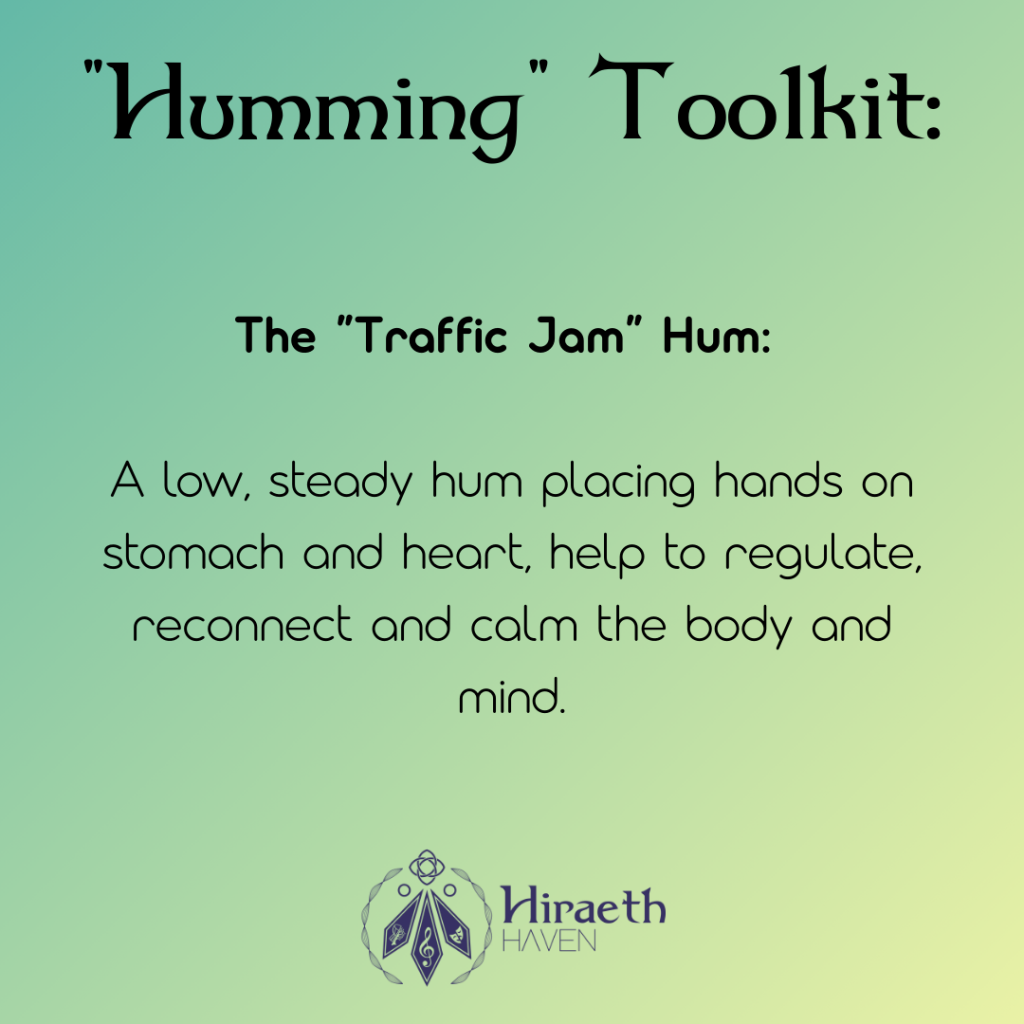
- The Humming Boundary: If you’re struggling with a decision, hum a low, steady note. If the request makes that note waver or feel tight, your body is saying “No.” Trust the vibration.
4. The Bravery of Being “Disappointing”
Here is the hardest truth: When you start saying “No,” some people will be disappointed. They might even be annoyed. This is a feeling I struggle with deeply at times like this; how do you not disappoint people? Well, the short answer is: You don’t.
- The Integration: Their disappointment is not your responsibility. You are a professional, not a 24-hour convenience store. Real wellbeing is the ability to sit with the discomfort of someone else’s disappointment while knowing you are being true to yourself.
- The “Power Track”: Pick a song that makes you feel “Solid.” Not aggressive, just immovable. Play it before you have a difficult conversation. Let that music be the “spine” that helps you stand tall.
Your “No” Toolkit (One I am trying very hard to use myself):
- The Script: “I’m unable to take this on right now, but thank you for the opportunity.” (No explanation needed; “No” is a complete sentence, let your “Mary Marvel” out).
- The “Sonic Pause”: Give yourself overnight to decide.
- The Body-Check: If the “Yes” feels like a heavy weight in your stomach, it’s a “No.”
Being brave doesn’t mean you aren’t scared to say no. It means you value your own “New Harmony” more than you fear their reaction.
I’m off to practice what I preach and get some rest. I hope you can find a way to honour your own “No” this week, too.
-
Wellbeing Wednesday: The Song of Agency. Finding Your Rhythm in Nature
Welcome back to Wellbeing Wednesday. What an amazing week I have had conducting the incredible cast and orchestra of Milford Haven Amateur Operatic Societies’ production of Evita at the Torch Theatre alongside teaching, Urdd competitions and the mum load.
Between all of this, and the constant digital “noise,” it’s been easy to lose my Agency. In psychology, agency is the feeling that you are the one steering the ship. When we lose it, we feel helpless, unmotivated, and physically drained, something I was definitely familiar with last week, feeling like I was in a pinball machine being hurtled around the county.
So this week, I’ve been thinking about how to reclaim that power, combining the principles of Music Therapy with the grounding force of Nature. To find our “Song of Agency,” sometimes we have to step away from the hum of the machine and into the rhythm of the earth.
1. Moving from “Passive” to “Active” Listening
Most of the sounds we hear daily are passive: traffic, supermarket music, or the vibrations and “ping” of notifications. This reinforces a passive mindset in which life “happens” to us.
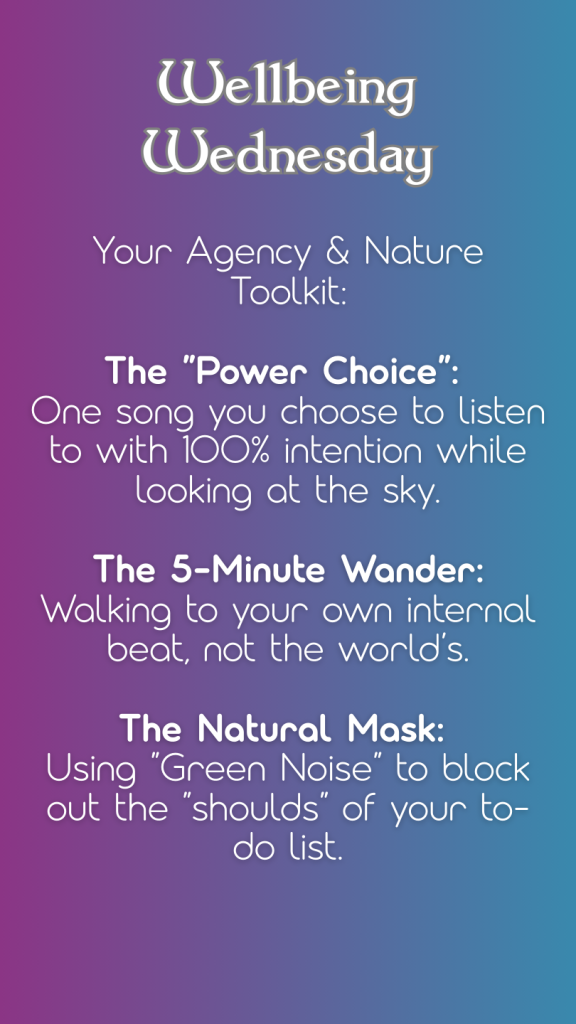
- The Nature Hack: Go outside and practice Acoustic Foraging. Instead of letting sound wash over you, actively “hunt” for specific natural sounds. Can you isolate the sound of the wind in a specific tree? The rhythm of a distant bird?
- The Music Therapy Link: By choosing what to focus on, you are re-activating your Prefrontal Cortex; the part of the brain responsible for decision-making and executive function. You are moving from a “victim” of noise to a “director” of your own attention.
2. The Tempo of the Earth
When we are stressed, our internal tempo is dictated by our deadlines. We move at the speed of the “World,” not the speed of our “Soul.” Nature, however, has a fixed, unhurried tempo that doesn’t care about your inbox.
- The Practice: Walking Your Own Beat. Find a natural path—a park, a woods, or even a garden. Stop listening to your podcasts and start creating your own internal rhythm. * The Benefit: Match your footsteps to a steady, slow hum of your own making. In Music Therapy, this is called Self-Paced Rhythm. By setting your own pace in a natural environment, you remind your nervous system that you are the one who decides how fast your life moves.
3. The “Un-Done” Playlist: Clearing the Static
Sometimes, agency is about the power to say “No” to the expectations others place on you. Nature provides the perfect “Acoustic Sanctuary” for this.
- The Music Therapy Tip: Use Green Noise. Unlike the static of white noise, Green Noise mimics the frequencies found in nature (like rustling leaves or falling rain).
- The Ritual: If you can’t get to a forest, play a track of “Forest Sounds” and use it as a boundary. While that track is playing, you are “unavailable” to the world. It is your sonic fortress where your agency is protected.
4. Creating Your “I Am” Phrase
The most powerful tool in music therapy is the Mantra-Melody. Nature provides the perfect backdrop to speak your truth without judgment.
- The Practice: Find a spot in nature where you feel safe. Create a three-word phrase that represents your agency (e.g., “I choose peace,” “I am capable,” “I hold the lead”).
- The Application: Sing or hum these words to a simple melody. Let the trees be your audience. By putting your agency into a melody in an open space, you move it from a “thought” in your head to a “vibration” in your body.
You aren’t a passenger in your life; you are the Composer. This March, step outside, take a deep breath, and pick up the baton. The symphony is yours to conduct.
-
Wellbeing Wednesday: Performance in the Age of the “Public Critic”
Welcome to Wellbeing Wednesday. Being deep in the trenches of “Evita” this week, I wanted to talk to the heart of our community: the performers.
Whether you are a singer, a community actor, a musician, or an artist, you live in a paradox. Your work requires you to be deeply vulnerable and open, yet you must do so in an arena where everyone feels entitled to an opinion. In the age of social media and instant feedback, the barrier between the stage and the spectator has vanished.
As a community artist, it can be soul-crushing to put months of technique, effort, and literal “blood, sweat, and tears” into a performance, only to have it critiqued by someone who has never stepped into the light.
How do we protect our wellbeing when our work is public-facing, and everyone is a critic?
1. Understanding the “Projection of Ignorance”
As a professional performer, you will have spent years honing your craft. You understand the nuances of breath control, the “why” behind a specific phrasing, and the sheer stamina it takes to stay present. As a community artist, maybe you haven’t been given that chance, this may even be a first time treading the boards, but the months of rehearsing and working incredibly hard are no different.
Always remember: many “critics” (and by this I mean, unofficial feedback, people sharing opinions without any little to no grounding or understanding of the industry, as opposed to official critics writing with understanding and knowledge) are speaking from a place of consumerism, not craft. They react to how something makes them feel in a split second, with little to no understanding of the technique required to get there.
- The Wellbeing Truth: Their critique is often a reflection of their own taste, not your talent. In psychology, it’s called “The Dunning-Kruger Effect”; where those with the least knowledge about a subject often speak with the most confidence.
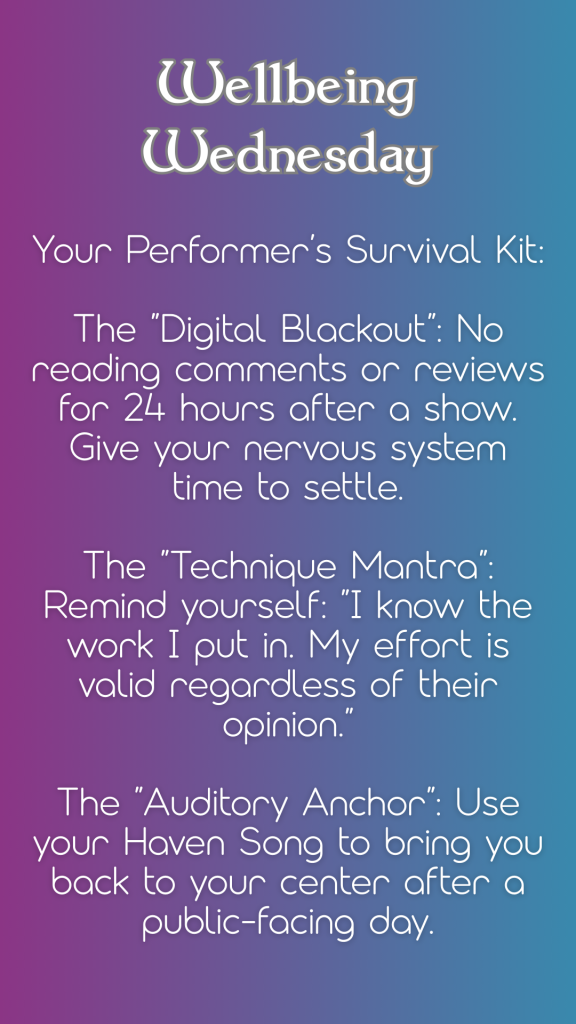
- The Practice: When you hear a negative comment, mentally categorize it: “Is this professional feedback from someone who knows the craft, or is this ‘noise’ from a consumer?” If it’s noise, give yourself permission to let it pass through you like a distorted frequency.
2. Settling Into the “Safe Sonic Space”
How do you step onto the stage when you know eyes (and keyboards) are waiting? You have to build an Internal Sanctuary.
- The Music Therapy Hack: The Grounding Drone. Before you go on, spend three minutes listening to a single, steady drone or low-frequency hum, you can provide your own hum, or if in a dressing room with others, offer each other support with a gentle hum.
- Why it works: It pulls your focus away from the “external noise” of potential judgment and anchors you in your own physical vibration. You aren’t performing for them; you are inviting them to witness a moment of truth, a moment of light.
3. The “Positive Resonance” Filter
Sadly, negativity has a “velcro” effect; it sticks to us. Positive feedback, however, often feels like “teflon”; sliding right off. To stay amazing, you have to intentionally “glue” the positives to your spirit.
- The Practice: The 3-to-1 Ratio. For every critical comment you read or hear, you must actively find and write down three things you were proud of in that performance.
- The Goal: You are training your brain to prioritize Internal Validation over External Validation. Your wellbeing cannot be a hostage to the opinions of strangers.
4. Supporting Your Fellow Community Artists
The best way to block out the noise is to create a louder, more beautiful sound with your peers.
- The Ritual: After a show, don’t go straight to your phone. Spend 10 minutes with your fellow performers. Talk about the “micro-wins”; the note you finally hit, the way the lighting caught a moment, the shared energy.
- The Integration: This is part of your New Harmony. By focusing on the community of makers, the voices of the “ignorant critics” become background static.
Performers, you are the amazing ones! You are the ones doing the work that others only watch. Keep making your art, keep using your voice, and remember: The person on the stage always shines brighter than the person in the stands.
-
Wellbeing Wednesday: The Acoustic Spring Clean
Welcome to the first Wednesday of March. Can you feel the Spring yet? It’s definitely springing. The light is lingering a little longer, the first snowdrops have made an appearance, and there is a new, exciting energy in the air.
In many homes, March is the month of the “Spring Clean.” Time to throw open the windows, clear out the winter cobwebs, and scrub away the dust. But as a music therapist, I want to ask: What does your internal acoustic environment look like?
After a long winter of “hunker down” or “frantic” energy, our minds can become cluttered with mental noise; static from news cycles, the hum of overthinking, and the repetitive “soundtrack” of our daily stresses. This week, I’m performing an Acoustic Spring Clean to make room for a New Harmony.
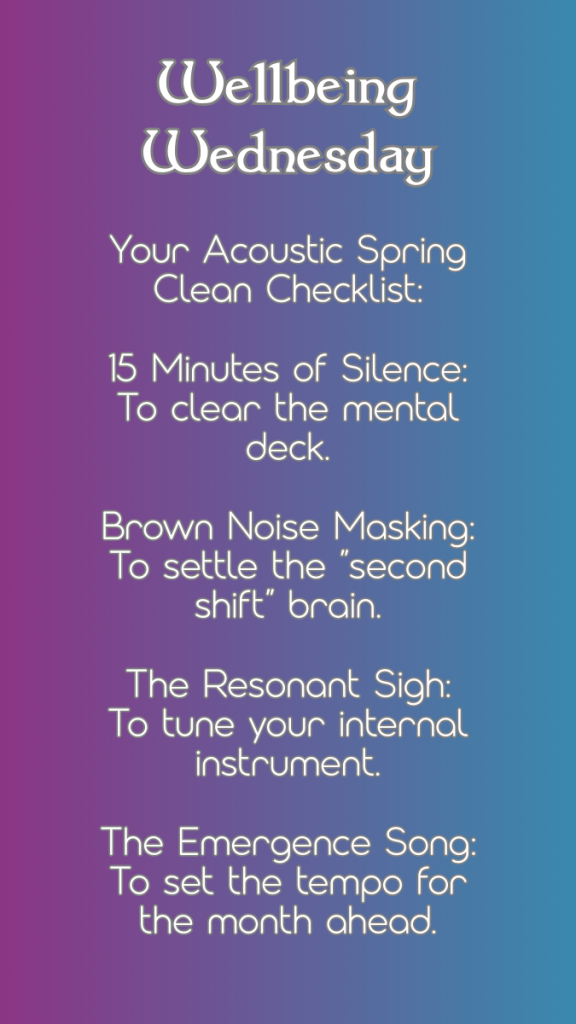
1. Identify the “Auditory Clutter”
Just as a physical room can get cluttered, our auditory landscape can become “noisy” without us realizing it. Do you have the TV on for background noise? Are you constantly scrolling through loud, fast-paced videos?
- The Music Therapy Link: Sensory Overload. When we are constantly bombarded by unplanned sound, our nervous system stays on a “low-simmer” of alert. This drains our cognitive energy and makes us feel “frazzled.”
- The Practice: Spend 15 minutes today in intentional silence. Turn off the radio in the car. Close the laptop. Just listen to the “room tone” of your life. This is the equivalent of clearing the floor so you can see what you’re working with.
2. Scrubbing the Static with “White Noise”
Sometimes, the “noise” isn’t external; it’s the internal chatter of a busy mind (especially for the working caregivers among us!).
- The Practice: Use Pink or Brown Noise for a deep mental scrub. Unlike White Noise (which can be sharp), Brown Noise is a lower frequency, like a deep rumble or a distant waterfall.
- Why it works: In music therapy, we use these “masks” to provide a consistent auditory blanket. It covers the unpredictable spikes of household noise or internal anxiety, allowing your brain to finally “unclench.”
3. Tuning the “Instrument of the Self”
Now that the static is cleared, it’s time to re-tune. Think of yourself as a stringed instrument that has been sitting in a cold, damp room all winter. Your strings are a little slack; you’re slightly out of tune with your surroundings.
- The Practice: The Resonant Sigh. Take a deep breath and let it out with a vocalized “Ahhhhh.” Let the pitch drop naturally.
- The Benefit: This isn’t just a sigh; it’s a tonal reset. It vibrates the chest and throat, physically releasing the “winter tightness” and helping you feel “in tune” with your physical body again.
4. Selecting Your “Spring Theme”
Finally, what new sound do you want to invite in?
- The Music Therapy Tip: Choose one “Emergence Song.” Not a cozy winter ballad, but something with a crisp, driving rhythm. Something that feels like a green shoot breaking through the frost.
- The Ritual: Play this song once a day this week with the windows open (even if it’s just for five minutes). Let the fresh air and the fresh sound circulate through your home.
Spring isn’t just about what’s happening in the garden; it’s about what’s happening in your ears. Clear the noise, find your pitch, and get ready to bloom.
-
Wellbeing Wednesday: Riding the Grief Waves. How Music Therapy Can Hold the Unspeakable
Welcome back to Wellbeing Wednesday. Today, I am leaning into a topic that is as universal as it is deeply personal: Grief.
Grief is not a problem to be solved or a task to be finished. It is a profound, messy, and often silent transition. When we lose someone or something dear to us, our world loses its melody. Words often feel too small, too clumsy, or simply unavailable to describe the weight we carry. And once the initial pain has passed, the waves of grief can roll over us for years into the future. Our life experience grows, but the pain can just be as sharp when it hits.
In music therapy, we believe that when words fail, music speaks. Music doesn’t ask us to “move on”; instead, it provides a container to help us “move through.”
1. Music as a “Safe Container” for Emotion
Grief often feels like an unpredictable ocean, one moment calm, the next a tidal wave. Music provides a structure that can hold these intense emotions without us becoming overwhelmed by them.
- The Music Therapy Link: A piece of music has a beginning, a middle, and an end. When we listen to a song that reflects our sadness, we are allowing ourselves to feel that emotion within a “safe boundary.” The music “holds” the grief for us for three or four minutes, allowing us to express it and then gently bringing us back to the present.
- The Practice: Create a “Grief Sanctuary” playlist. These aren’t songs to make you “happy,” but songs that validate your pain. When the wave hits, put on your headphones and let the music be the witness to your feelings.
2. The Bridge of “Hiraeth” and Connection
As I’ve written about before, Hiraeth is that deep longing for a home or a person that is no longer reachable. In grief, this longing can feel like a physical ache.
- The Music Therapy Link: Music is one of the few things that can bridge the gap between the “then” and the “now.” Hearing a song that a loved one loved, or a melody you shared, can trigger positive reminiscence.
- The Practice: Use music as a “Memorial Soundscape.” Intentionally listening to your loved one’s favorite music isn’t about dwelling in sadness; it’s about consolidation. It is a way of saying, “You are still part of my journey.” It transforms a painful absence into a resonant presence.
3. Creating a “New Harmony”
Eventually, grief stops being a visitor and becomes a permanent part of our landscape. Wellbeing in grief isn’t about returning to the “old you”, it’s about finding a New Harmony where the loss and the life coexist.
- The Integration: Music therapy encourages “Active Music Making.” This might be writing a simple lyric, learning a new instrument in their honor, or joining a community choir. When we create sound, we are moving from a passive state of “being hit by grief” to an active state of “expressing our journey.”
A Gentle Ritual for a Day Where the Grief Wave Hits:
- The “Check-In” Note: Hum a single note that matches how you feel right now. Is it low and heavy? Is it thin and wavering? Don’t judge it. Just let it vibrate.
- The “Holding” Song: Listen to one song that feels like a hug from the person or time you miss.
- The “Release” Breath: Exhale with a long “Sss” sound, imagining some of the tension leaving your shoulders.
Grief is a long journey to becoming the “new you,” but you don’t have to walk it in silence. Let the music hold you when you cannot hold yourself.
-
Wellbeing Wednesday: Haven Songs. Building Your Musical Safety Net
Welcome back to Wellbeing Wednesday. As we move through these late winter weeks, the concept of a “Haven” feels more important than ever.
In music therapy, we often talk about music as a container. Just as the walls of your home provide shelter from the wind, certain songs can provide an “musical shelter” for your nervous system. These are what I call Haven Songs—pieces of music that instantly signal to your brain and body: “You are safe. You are held. You are home.”
Today, we’re looking at how to identify and use Haven Songs for yourself and your children to build a lasting sense of connection and security. (There’s a little insight into why my Early Years work is also entitled, Haven Songs….. supporting families to find, build and maintain their musical safety nets.
1. The Science of the “Musical Anchor”
Why does a certain song instantly make your shoulders drop? It’s a process called associative conditioning.
- The Music Therapy Link: When we experience a moment of safety or love while a specific song is playing, our brain “tags” that melody. Later, when we are stressed or dysregulated, playing that same song can bypass our logical brain and speak directly to the amygdala (the brain’s alarm system), switching it from “Red Alert” to “Green.”
- The Practice: Identify your own Haven Song. It’s usually not the “coolest” song on your playlist; it’s the one that feels like a warm blanket. It might be a song your parents sang, a track from a favorite movie, or a melody that got you through a tough time.
2. Creating Havens for Children: The “Lullaby Effect”
For children, Haven Songs are the ultimate tool for co-regulation. Because a child’s nervous system is still developing, they “borrow” the calm from yours.
- The Practice: Establish a “Signature Song” for your family. This is a song you sing or play during the “sweet spots” of the day, cuddling on the sofa, bath time, or right before bed.
- The Benefit: By consistently playing this song in moments of peace, you are pre-loading it with “safety data.” When your child has a meltdown at the supermarket or is scared at the doctor’s office, humming that specific melody provides an immediate “Haven” in a chaotic environment.
3. Connection Through “Shared Resonance”
A Haven Song doesn’t just soothe the individual; it binds the family together. When you sing or listen together, your biological rhythms (heart rate, breathing, and even brain waves) begin to entrain (sync up).
- The Music Therapy Tip: You don’t need to be a “good” singer. The most effective Haven Songs are those sung by a loved one. The imperfections in your voice make it human, relatable, and safe.
- The Ritual: Make “Haven Moments” part of your weekly routine. No screens, no distractions, just 5 minutes of your family’s favorite grounding music.
How to Choose Your Haven Songs:
- The Tempo: Look for songs with a steady, “walking” pace (around 60–80 BPM). This mimics a resting heartbeat.
- The Texture: Soft, acoustic instruments (piano, acoustic guitar, or a gentle voice) are generally more “sheltering” than synthetic or high-frequency sounds.
- The History: Choose songs that have no “stress baggage.” A Haven Song should be a “clean” space for your emotions.
Your Journey to Being You
As we’ve discussed before, your life is a consolidation. Your Haven Songs might be a mix of the songs your grandmother sang to you, the tracks you loved in London, and the lullabies you now sing to your own children. They are the musical threads that keep you anchored through every chapter of your journey, unifying your journey, leading you to your Hiraeth Haven.
Here’s an insight into some of my Haven Songs, for me, and my family.
What is the “Haven Song” in your house? I’d love to hear what melodies bring your family back to center.
-
Wellbeing Wednesday: Holding Space
Welcome back to Wellbeing Wednesday. This week has been a difficult one for many people in our local town and my words come a little slower and the usual talk of productivity or self-improvement feels out of place.
Today, wellbeing isn’t about “fixing” how we feel. It’s about how we carry it together, how we hold space for each other.
1. Acknowledging the “Collective Nervous System”
In a close-knit community, our nervous systems are “co-regulated.” We pick up on each other’s signals. Following traumatic events a whole town’s collective nervous system can shift into “High Alert” (Fight/Flight) or “Shutdown” (Numbness).
- The Wellbeing Truth: If you feel exhausted, jumpy, or strangely “empty” right now, you aren’t failing at coping. You are responding to the atmosphere around you.
- The Practice: Give yourself permission to not be “back to normal”, hold space for yourself to process and regulate. Recovery often happens in circles, not a straight line.
2. The Power of “Low-Demand” Connection
The pressure to “talk it out” following traumatic events can be overwhelming. But sometimes, words are too heavy.
- The Practice: Seek out “low-demand” connection. This means being near others without the pressure to perform or explain. Standing together on the school run, sitting in an assembly hall, or just nodding to a neighbour or friend.
- Music’s Role: Music can often hold the space that words cannot. Listening to a community choir, a slow hymn, or even just a grounding instrumental track can help process an “unspoken” grief.
3. Creating “Micro-Sanctuaries” of Safety
When we feel unsafe or our community is unrecognisable, it can be helpful to shrink our world down to what we can control.
- The Practice: Focus on the “Small and Certain.” The rhythm of the kettle boiling. The weight of a heavy blanket. The familiar smell of a candle.
- The Hum: As I’ve discussed before, humming is a biological reset. In times of trauma, low-frequency humming can help soothe the “buzzing” feeling of anxiety in your chest. It is a tiny, private way to tell your body: “In this breath, in this second, I am here.”
A Simple Ritual for Today:
If you are struggling to find words, don’t look for them. Instead:
- Light a candle and allow yourself to hold the space in the moment.
- Play a piece of music that feels like a steady hand on your shoulder.
- Take one deep breath and acknowledge that you are doing your best.
We will all find our harmony again, but for today, let the quiet be enough.
-
Wellbeing Wednesday: Transforming Your Hiraeth
This week, my “Wellbeing Wednesday” looked a little different. I took my first proper day off since January 3rd and headed into the heart of London to see a dear friend perform in a West End show.
Even stepping out of my hotel and onto the tube, feeling the familiar hum of the city, the bustle of people and the life around me, I was hit by an overwhelming wave of Hiraeth.
For those unfamiliar with the beautiful Welsh word, Hiraeth is often translated as a deep longing for a home that no longer exists, or a bittersweet nostalgia for a time or place we can no longer reach. Standing in the West End, I felt a magnetic pull toward my “London life”, the version of me that existed before the school runs, before the therapy clinical hours, and before the multifaceted responsibilities that now define my days.
The Myth of the “Multiple Me”
In our modern lives, we often talk about ourselves in chapters. We compartmentalize:
- The Pre-Mum Me.
- The London Me.
- The Newly Qualified Therapist Me.
But Hiraeth teaches us something vital about wellbeing: Integration. Feeling that pull to the past doesn’t mean I want to move back to London or reclaim that exact life. It isn’t a desire to retreat; it’s an invitation to consolidate and bring all these parts of myself into one. Proud of the life I’ve led, the portfolio career I still attempt to balance in any way I can and the mum I’ve become.
Consolidating the Soul
Wellbeing is found when we stop viewing our lives as a series of discarded versions of ourselves and start seeing them as a living archive.
I am not a different person than the woman who used to navigate those streets; I am the sum of her. The creativity and spontaneity of my London years are the very things that make me a more empathetic therapist and a more vibrant mother today. The “then” and the “now” should not be at war; but working in harmony.
When we feel Hiraeth, we shouldn’t push it away as “living in the past.” Instead, we should ask: “What essence of that version of me needs to be honored right now?”
Transforming the Longing
If you are feeling a pull toward a past chapter of your life this week, here are some ideads of how to use that energy for your current wellbeing:
- Acknowledge the Continuum: Remind yourself that you haven’t “lost” that person. You have simply evolved.
- Bridge the Gap with Music: Use a song or a score from that era of your life. Don’t listen with sadness, but with the recognition that those notes are still part of your internal melody. My songs are from shows that I have had the pleasure of working on, and a seminal song that rings true in my heart to this day I was lucky enough to record many years ago, with another great friend on the piano. It’s a song I hadn’t thought of for a while, but rang true in my heart all weekend. Originally by The Decemberists, it’s a song that resonates for me in so many ways. I hope it sings in your heart too.
- Invite the Essence In: If you miss the “Creative You” of years ago, bring that creativity into your current work or parenting. You don’t need a “London life” to have a “London spirit”.
Watching my dear friend bring down the house in the most spectacular performance that I have ever seen from him, and watching an audience jump to their feet to applaud him, filled me with a vast amount of joy and pride and a desire to hold on to that, no matter what. But the most profound realisation I had while standing in the theatre was this: This is all part of my journey to being me. Every city lived in, every career pivot, and every stage of motherhood is a layer of a single, beautiful identity. I am not a collection of fragments; I am a whole person, and every “past me” is still right here, cheering on the “current me.”
Have you ever felt Hiraeth for a past version of yourself? How do you bring that energy into your life today?
-
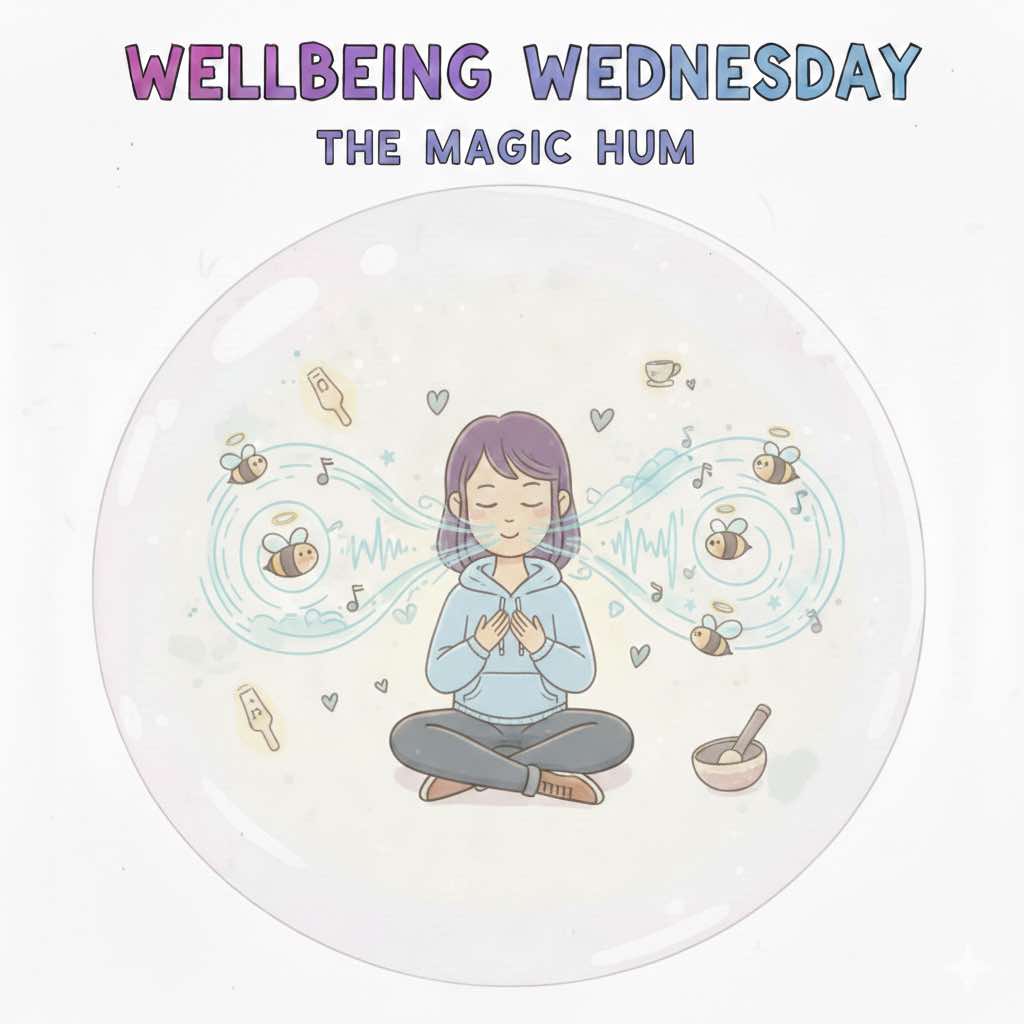
Wellbeing Wednesday: The Magic of the Hum. Our Portable Reset Button
Welcome back to Wellbeing Wednesday. I’ve been talking a lot recently about one of the simplest, oldest, and most effective tools for wellbeing that we carry with us every single day: your hum.
In a world full of expensive wellness gadgets and complex routines, we often overlook the power of our own vibration. Whether you are a professional singer preparing for a show, a parent trying to soothe a restless child, or a busy professional feeling the onset of burnout, the humble hum is your secret weapon for both physical readiness and emotional regulation.
1. The Ultimate Vocal Warm-Up
If you use your voice for work (whether that’s singing, teaching, or back-to-back Zoom calls) you know the feeling of “vocal fatigue.” Your throat feels tight, your voice sounds thin or creeky, and sound making starts to feel like an effort.
- The Science (in brief): Humming is the “gentle massage” of the vocal world. Because your lips are closed, the air pressure is reflected back down toward the vocal folds. This creates a cushion of air that allows your vocal cords to vibrate with minimal strain.
- The Benefit: It engages the resonance in your face and chest without the effort of full speech or singing. It increases blood flow to the larynx and can relieve any vocal cord tension.
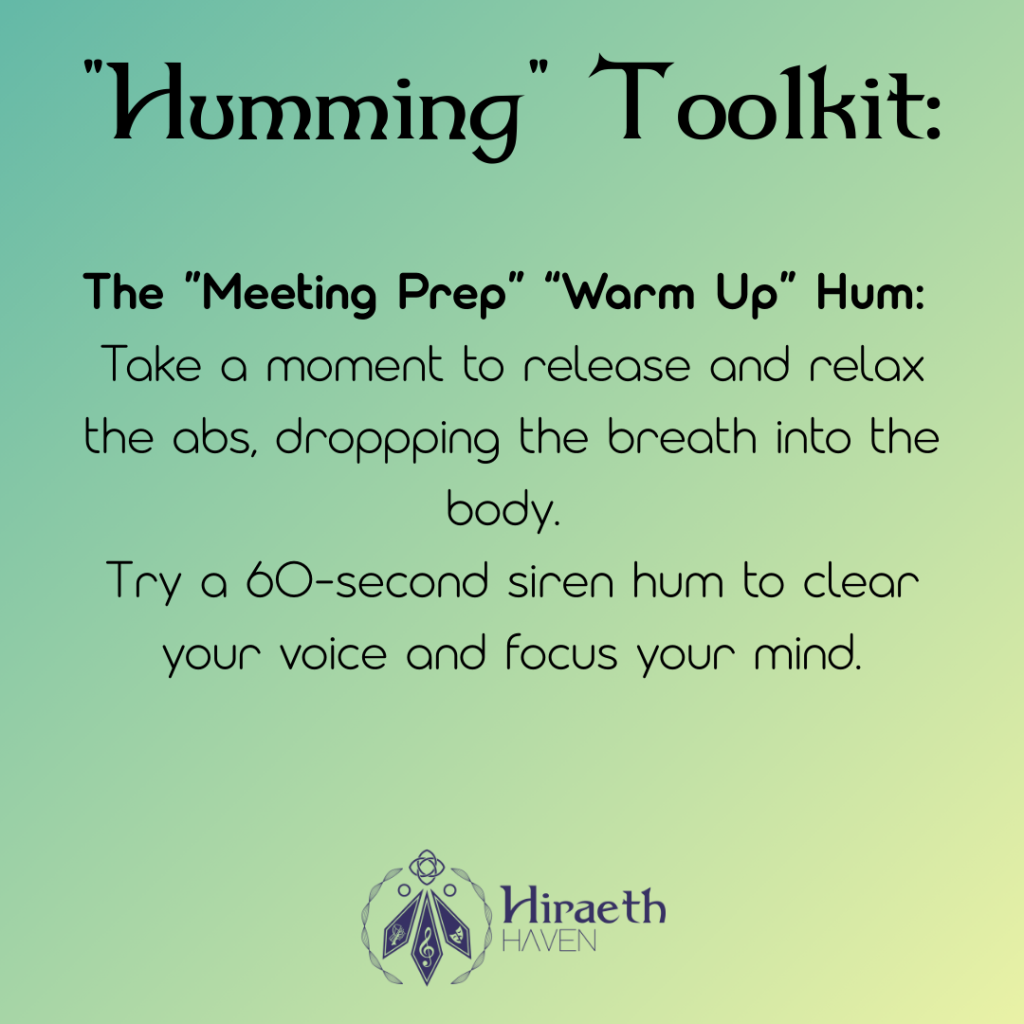
The 2-Minute Warm-Up: Start with releasing tension in your abs, focusing the breath into your stomach, out of the shoulders and chest area. Once you have settled into this release, exhale and vocalise with a low, comfortable “Mmm” sound. Imagine the sound is behind your front teeth. You can gradually extend this into a gentle siren, gliding the pitch up and down. Do this for two minutes before your first meeting or rehearsal, and notice how much “richer” and easier your voice feels.
2. The Vagus Nerve: The Biological Reset
The real magic of humming, however, happens deep within your nervous system.
Running through your body is the Vagus Nerve, the “command center” for your parasympathetic nervous system (your “rest and digest” mode). This nerve passes right by your vocal cords and inner ear.
- The Internal Massage: When you hum, the physical vibration stimulates the vagus nerve. This sends an immediate signal to your brain that it is safe to relax. It lowers your heart rate, reduces blood pressure, and flushes out cortisol (the stress hormone).
- Self-Regulation: For adults, a 30-second hum can act as a “circuit breaker” during a stressful workday. It pulls you out of your head and back into your body.
3. Humming for Children: Co-Regulation in Action
For parents and caregivers, humming is a superpower for soothing. Children (especially babies and toddlers) are incredibly sensitive to the physical state of the adults around them.
- The Vibrational Hug: When you hold a distressed child and hum, they don’t just hear the sound; they feel it. The vibration of your chest wall acts as a mechanical sedative for their nervous system.
- Co-Regulation: As your heart rate slows through your own humming, the child’s heart rate begins to mirror yours. This is co-regulation at its most organic. You are “sharing” your calm with them through sound.
Try this: Next time your child is having a “meltdown” or struggling to sleep, don’t use more words. Just sit near them or hold them and hum a low, steady, repetitive note. It’s harder to argue with a vibration than it is with a sentence.
Your “Humming” Toolkit

Humming is free, it’s private, and it’s always available. It is the sound of your own body coming into harmony.